

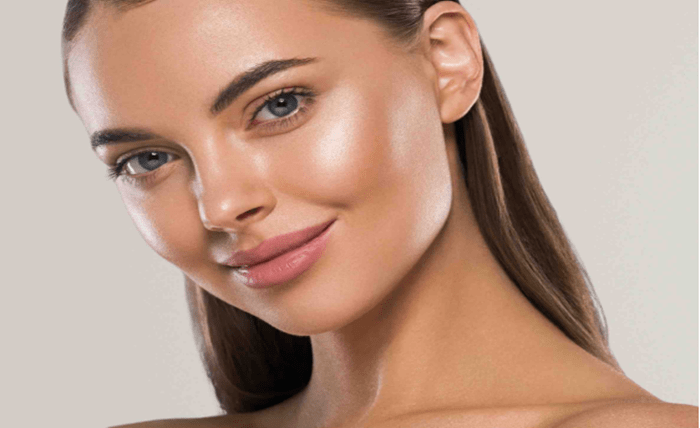
The nose is a prominent feature of the face and plays a critical role in defining one’s facial appearance. Everyone’s nose shape is unique, with variations that can include differences in size, width, and profile.
While there is no single “perfect” nose shape that universally appeals to everyone, certain nasal shapes are considered more aesthetically pleasing by different cultures and individuals. This preference for specific nose shapes is largely influenced by societal norms, cultural backgrounds, and personal tastes.
However, it’s important to remember that the appeal of a nose shape is deeply subjective. What one person finds attractive, another may not, and this variety in preference is what makes the concept of beauty so complex. For those that are unhappy with the appearance of their nose, they may consider rhinoplasty.
Nose Factors
There are significant variations in nose shapes everywhere, with these differences primarily influenced by genetic factors and ethnic backgrounds. The diversity in nose shapes among individuals is a fascinating aspect of human biology, reflecting a wide range of genetic variations. Some of the main factors that determine the shape of a person’s nose include:
- Nasal bones: The structure of the nose is fundamentally supported by two nasal bones located at the bridge of the nose. These bones can vary significantly in size and shape among different individuals, contributing to the diversity of nose shapes seen across populations.
- Cartilage: The cartilage is responsible for the majority of the nose’s structure, extending beyond the nasal bones to form the tip and the nostrils. The shape of the nose is largely determined by the characteristics of this cartilage, including its thickness, length, and curvature. Variations in these aspects of the cartilage can lead to a wide array of nose shapes, from sharp and angular to broad and rounded.
The Ideal Nose
Certain facial features may be considered more attractive than others. For example, when it comes to noses, the most appealing ones are those that are in harmony with the rest of the face in terms of size and shape. A nose that is straight and symmetrical and blends with the person’s other features, tends to be viewed as particularly attractive.
Women’s Nose Shape
Typically, women seeking nose surgery desire a slender nose characterised by a refined tip. There’s a prevalent preference for what’s considered a ‘cute’ nose – notably, one featuring a small tip with a subtle upward curve, often referred to as the button nose shape. It’s crucial to remember that this nose shape may not be in proportion with everyone’s face’s other features.
Men’s Nose Shape
Contrarily, a nasal tip that is too small or excessively pointy may be considered less attractive in men. Many men prefer the appearance of a straight nose. This shape is distinguished by its straight bridge and slender nostrils, contributing to a more harmonious and balanced facial appearance. For men, achieving the optimal aesthetic involves a precise 90-degree angle between the base of the nose and its tip. This specific angular relationship enhances facial symmetry and increases overall appeal by creating a more defined and masculine profile. Again, this nose shape may not be for everyone, the nose should always look natural and blend with one’s features.
Nose Features
Many patients will request to make changes to these features:
- large hump in the nose bridge
- wide nose
- deviated septum
- large nostrils
- oversized nose tip
- nose tip angle
While some may find certain features appealing, beauty truly lies in the eye of the beholder. If you’re not satisfied with the shape or other features of your nose, you may consider rhinoplasty. It’s crucial to have a detailed discussion with your surgeon about what you hope to achieve, ensuring your goals are clearly understood.
Nose Profile
The nose profile is how the bridge of your nose looks. It can be tall, wide, or have curves and angles. Nose profiles that some consider attractive will fit well with the face and are not too pronounced. A good nose profile makes your face look even and symmetrical.
Rhinoplasty
If you’re considering altering the appearance of your nose, rhinoplasty could be the solution you’re looking for. This surgical procedure can various nose concerns. Whether it’s refining the tip for a more defined look, smoothing out bumps for a sleeker profile, or creating symmetry for a more harmonious balance with your facial features, rhinoplasty offers a range of possibilities.
When contemplating this procedure, it’s crucial to seek out a plastic surgeon who specialises in rhinoplasty and has a wealth of experience. Such a surgeon can provide expert guidance, ensuring that the results not only enhance your appearance but also complement your unique facial structure. They will work closely with you to understand your aesthetic goals and recommend the best approach.
Surgery Process
- Anaesthesia: Rhinoplasty can be performed under general anaesthesia.
- Incisions: The surgeon will make incisions either inside the nostrils (closed rhinoplasty) or across the tissue between the nostrils (open rhinoplasty).
- Reshaping: Depending on your goals, cartilage and bone may be removed or added to reshape the nose. The surgeon will also address any airway issues, such as a deviated septum.
- Closing Incisions: Once the reshaping is complete, the incisions are closed with stitches and bandages applied.
The recovery time for rhinoplasty varies from person to person, but most patients can expect swelling and bruising to subside within two weeks. It’s essential to follow your surgeon’s post-operative instructions carefully for optimal results.
Conclusion
In conclusion, it’s important to recognise that the concept of the perfect nose shape varies significantly from one person to another. Beauty is subjective, and what might be considered ideal for one individual might not hold the same appeal for another. With this in mind, under the skilled care and guidance of a plastic surgeon, patients have the opportunity to make informed changes to their nose shape. Through a personalised consultation, surgeons can recommend approaches that align with the patient’s aesthetic goals and facial symmetry.