

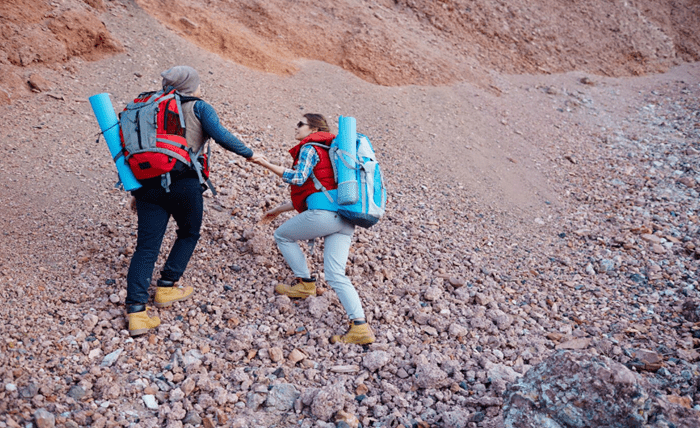
Nestled amidst the towering peaks of the Nepalese Himalayas lies one of the most iconic trekking destinations in the world – Annapurna Base Camp. This breathtaking journey takes adventurers through lush forests, quaint villages, and rugged terrain, culminating in a spectacular amphitheater of snow-capped peaks. For those seeking an unforgettable trekking experience, conquering Annapurna Base Camp promises a journey of a lifetime. In this comprehensive guide, we’ll delve into the details of this remarkable adventure, providing you with everything you need to know to embark on this epic trek.
Introduction To Annapurna Base Camp Trek
At 4,130 meters (13,550 feet) above sea level, Annapurna Base Camp is the only place where trekkers can see the Annapurna range in all its glory. There are different routes and different speeds that people take on the trip, but it usually lasts between 7 and 12 days.
Planning Your Trek
To make sure you have a safe and fun Annapurna Base Camp trek, you need to do a lot of planning before you go. Some important things to think about are:
Fitness And Training
The Annapurna Base Camp trek doesn’t require expert climbing skills, but you will be walking for a long time on different types of terrain and climbing to high elevations. Regular exercise, like hiking, running, and cycling, is a must for getting ready. It builds cardiovascular stamina and leg strength.
Choosing The Right Season
Spring (March- May) and fall (September–November) are the best times to hike to Annapurna Base Camp because the weather is usually clear and stable. It’s best not to go hiking from June to August when it rains a lot and there is a chance of landslides.
Permits And Regulations
Obtaining the necessary permits is a vital aspect of trekking in the Annapurna region. Trekkers are required to obtain both the Annapurna Conservation Area Permit (ACAP) and the Trekkers’ Information Management System (TIMS) card before starting the trek. You can get these licenses from the Nepal Tourism Board in Kathmandu or Pokhara, or a registered trekking company.
Trekking Routes
There are several ways to get to Annapurna Base Camp, and each gives you a different view of the natural and cultural beauty of the area. The most famous route starts in Nayapul or Phedi and goes up through pretty villages like Ghandruk and Chhomrong on its way to the base camp. Trekkers can see beautiful views of snow-capped hills, terraced fields, and rhododendron forests along the way.
Essential Gear And Equipment
For a good trek to Annapurna Base Camp, you must make sure you bring the right gear. Here is a list of things you must bring:
Boots For Hiking: For walking on rough ground, you need boots that are strong, waterproof, and have good hip support.
Clothing Layers: Pack lightweight, moisture-wicking clothing that can be layered for warmth. Include a waterproof jacket and pants for protection against rain and wind.
Sleeping Bag: A warm, lightweight sleeping bag rated for cold temperatures is essential for comfortable nights at higher altitudes.
Trekking Poles: Trekking poles that can be adjusted give you support and make it easier on your knees when you’re going down steep hills.
First Aid Kit: Carry a simple first aid kit with you that has things like bandages, antiseptic wipes, painkillers, and medicine for altitude sickness.
Water Purification Tablets: Ensure access to safe drinking water by carrying water purification tablets or a portable water filtration system.
Headlamp Or Flashlight: To get around on trails at night or in guesthouses with limited power, you need a reliable light source.
Accommodation And Dining
You can stay in a range of places along the Annapurna Base Camp walk, from simple teahouses to fancy hotels with beds, blankets, and hot showers (when they’re available). Most teahouses also serve hearty meals, like pasta and pizza or the traditional Nepali food dal bhat, which is rice with lentil soup and vegetables. Trekkers should bring snacks like energy bars, nuts, and dried veggies with them to keep them going between meals.
Altitude Sickness Awareness
As trekkers get higher up, they might get altitude sickness signs like headaches, feeling sick, being tired, and having trouble breathing. It’s important to slowly get used to the altitude by going up slowly, drinking water, and paying attention to your body. If the symptoms don’t go away or get worse, you might have to go down to a lower level to get medical help.
Trekking Responsibly
The natural beauty and cultural history of the Annapurna area must be protected through responsible trekking. Trekkers are told to have as little of an effect on the environment as possible by properly throwing away trash, saving water, and honoring local traditions and customs. Supporting local businesses by buying goods and services from teahouses and shops along the trail is another way to help tourists grow in the area in a way that lasts.
Conclusion
Embarking on the Annapurna Base Camp trek is a transformative experience that offers trekkers the opportunity to immerse themselves in the awe-inspiring beauty of the Himalayas. By following this step-by-step guide and adequately preparing for the journey ahead, adventurers can conquer the challenge of reaching Annapurna Base Camp while creating memories to last a lifetime. Get ready for the most exciting trip of your life in the Nepalese Himalayas.