

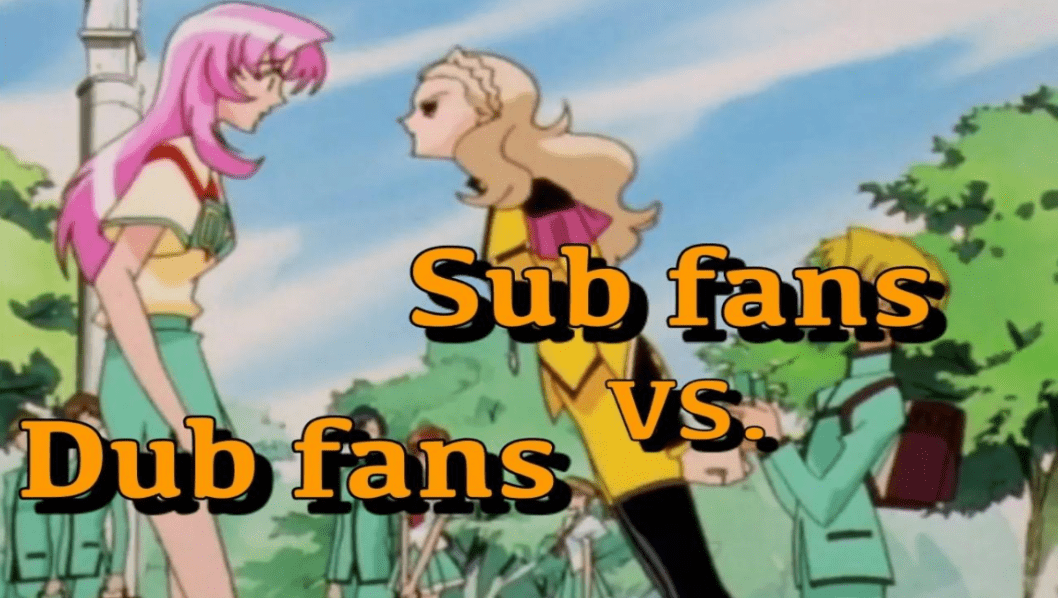
For years anime fans have been at odds with each other about the old “dub vs sub” question. There are different ways to experience anime, some favour subtitles in the original Japanese audio while others prefer dubbed versions in their own language. There is no right answer; it really comes down to personal taste, but they will deliver a different viewing experience based on your needs.
What Does “Sub” Mean?
Subbed anime is a term typically used to describe shows that retains the original Japanese voice acting while piping in subtitles written in another language — most often, English. For us older fans, it has changed — many of us are inclined to subs because we feel more connected with the creator’s original vision.
Japanese voice actors tend to inject a massive amount of emotion into characters. Their accent, intonation and expression are specific to the story. Subtitles provide an opportunity for viewers to still feel that authenticity, but also follow along with the dialogue.
On the other hand, subbed anime demands 100% focus. Having to read while viewing the visuals can be exhausting to some viewers—and rendered unfathomable whenever a scene reached hyper-speed.
What Does “Dub” Mean?
In most cases, dubbed anime selects from Japanese audio and adds voice actors in a different tongue. This is especially great for people who prefer to watch without reading captions.
Dubs work even better for casual watchers or multitaskers. This way, you can pay more attention to the visuals and explosions instead of reading on screen.
However, many fans believe that it alters the original tone or feeling of a scene. Voice acting studios can differ in quality and translations are sometimes changed to help with lip syncing or cultural differences.
Why Some Fans Prefer Sub
Subbed versions are considered more authentic by many anime fans. The original voice actors are cast by the creators and their performances usually fit the characters like a glove.
Subtitled versions also tend to remain more faithful to the original script, allowing for cultural expressions and puns and meanings that may not survive a dubbed version.
For fans who prioritize fidelity to the original story and emotional nuance, sub is usually ranked first.
Why Others Choose Dub
Dubbed anime on the flip side, has come a long way as well. Modern dubbing studios conduct voice acting with quality actors which makes the entire experience of watching movies dubbed widely different from what it used to be.
When anime is discussing at home, dub is often dismissed in favour of sub, which can be a great shame; for new fans, finding good beginners guides to both these pieces and many others are available through things like studio production catalogues. This way, they can get familiar with the material while not worrying about reading the subtitles.
This is also perfect for people who want a more chill watch especially marathon-ing through series or action sequences like this.environ.com
Dub vs Sub: Which is Better?
The only real difference is the way in which the story is told. Sub is about authenticity and original playing, while dub is all about convenience and accessibility.
Subbed anime:
- Keeps original Japanese audio
- Offers more authentic emotional delivery
- Requires reading subtitles
Dubbed anime:
- Uses translated voice acting
- Easier to watch without reading
- More accessible for new viewers
Which One Is Better?
There’s no universal answer. What type of experience you want, really.
Subbed anime is the way to go if you like first-run performances and are okay with reading subtitles. This way, you can use dubbed anime if you want to be more comfortable in terms of ease of watching.
Most fans actually alternate between the two on a per-anime basis. Some have a good dubs, others are better to be watched in the original version.
Ultimately, anime is supposed to be fun. The value of a dub or sub is subjective, and they vary depending on how much you resonate with the story and characters.
HiAnime fans judging others about how they view anime prefer to enjoy it. There are different ways of interacting with an art like Naruto. Some liked the Japanese voices but others, like I do, grow up knowing nothing but the English version of it.
Rather than pitting one against the other, it’s more beneficial to investigate each and find out which works best for you.