

Defining Luxury Watches
Luxury watches represent far more than instruments for telling time. They are wearable works of art that combine engineering precision, design heritage, and personal expression. Unlike mass-produced digital devices, luxury timepieces are often assembled by hand and refined over weeks or months. Their value lies not only in function, but in tradition, scarcity, and the emotional connection they create with the wearer.
Heritage and the Foundations of Horology
The modern luxury watch industry is built on centuries of Swiss and European horological development. Houses such as Rolex, Patek Philippe, Audemars Piguet, Omega, and Cartier have shaped global expectations of quality. These brands are not just manufacturers but cultural institutions that define what luxury horology means across generations.
Rolex and the Language of Prestige
Rolex is widely recognized as the benchmark for durability, precision, and timeless design. Models such as the Submariner, Daytona, and Datejust have remained stylistically consistent for decades, reinforcing a philosophy of evolution rather than revolution. Rolex watches are also known for strong resale performance, which has made them both symbols of status and practical long-term assets in the luxury segment.
Patek Philippe and the Art of Legacy
Patek Philippe stands at the pinnacle of traditional watchmaking artistry. The brand is celebrated for its highly complex mechanical movements, including perpetual calendars and minute repeaters, many of which require months of meticulous hand-finishing. Its famous idea that one merely “looks after” a Patek Philippe for the next generation reinforces its identity as a legacy object rather than a disposable luxury item.
Audemars Piguet and the Sports Luxury Revolution
Audemars Piguet transformed the watch industry in 1972 with the introduction of the Royal Oak, designed by Gérald Genta. With its octagonal bezel, exposed screws, and integrated bracelet, it challenged traditional notions of what a luxury watch could look like. Today, it remains one of the most influential designs in modern horology and helped establish the luxury sports watch category.
Omega and Innovation in Motion
Omega holds a unique place in horological history due to its ties to space exploration and professional diving. The Speedmaster became the first watch worn on the moon during NASA’s Apollo missions, while the Seamaster line is closely associated with underwater exploration and cinematic spy culture. Omega continues to innovate with anti-magnetic materials and modern movement technology while preserving its heritage.
Cartier and the Elegance of Design
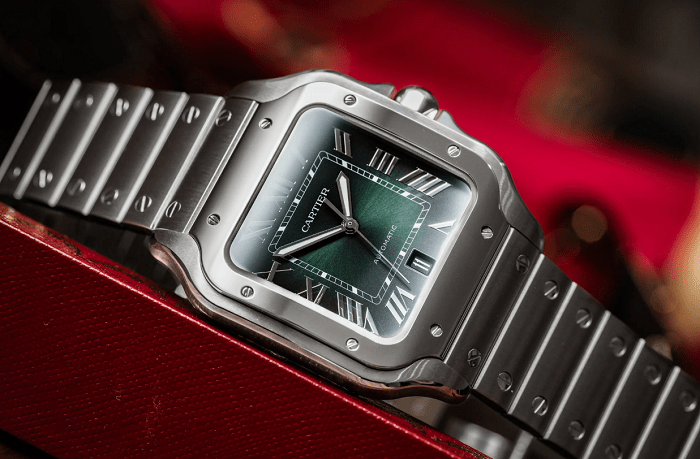
Cartier brings a distinctly artistic approach to watchmaking, blending horology with high jewelry aesthetics. Iconic models such as the Tank and Santos emphasize clean lines, proportion, and elegance over mechanical complexity. Cartier played a major role in popularizing wristwatches in the early 20th century, and today it remains a symbol of refined, understated luxury.
Independent Watchmakers and Modern Innovation
Beyond the established maisons, independent brands have reshaped expectations of design and engineering. Richard Mille exemplifies this movement with futuristic materials, skeletonized movements, and extreme durability. These watches often push the boundaries of materials science, appealing to athletes, collectors, and celebrities who view horology as both art and high-performance engineering.
Craftsmanship, Materials, and Mechanical Precision
Luxury watches are defined by the complexity of their mechanical movements, often consisting of hundreds of tiny components working in harmony. Skilled watchmakers assemble and regulate these movements by hand to achieve precise timekeeping. Materials such as 18k gold, platinum, ceramic, and sapphire crystal are carefully selected not only for durability but also for aesthetic refinement and tactile experience. Every detail, from polishing to engraving, contributes to the final expression of craftsmanship.
Collecting, Markets, and the Role of Retailers
The global market for luxury watches extends far beyond boutiques, involving auctions, private sales, and dedicated enthusiasts who track rare references and limited editions. Condition, provenance, and scarcity strongly influence value, sometimes turning watches into investment-grade assets. Many buyers begin their journey through a trusted luxury watch retailer, where authentication, service history, and brand expertise help guide purchasing decisions. This ecosystem connects manufacturers, collectors, and secondary markets in a constantly evolving global trade.
Conclusion: Time as Art and Identity
Luxury watches endure because they offer something digital technology cannot replicate: permanence and human craftsmanship. They represent patience in design, precision in engineering, and continuity across generations. Whether it is the timeless appeal of Rolex, the heritage of Patek Philippe, the innovation of Omega, or the artistry of Cartier, each timepiece tells a story that extends beyond hours and minutes into identity, culture, and legacy.