


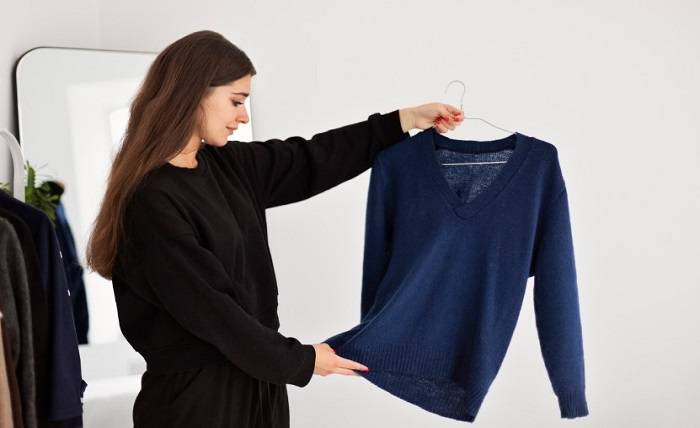
Any ethnic wear wardrobe is incomplete without salwar suits as they are easy to wear and elegant. Salwar suits usually come as a set of three – a kurta top, salwar bottoms, and a dupatta or jacket. Whether you’re attending pre-wedding parties or going to a work event, you can buy salwar suits in a variety of styles to match every occasion. The timeless garment has been a popular ethnic wear choice among women for generations and the silhouette is rooted in Indian culture. Historic records suggest that salwar suits were worn by women during the Indus Valley Civilization and first gained popularity as its modern version in the region of Punjab.
Several trends have come and gone since then, but women continue to opt for the salwar suit because of its comfort and wearability. Buy salwar suits made of good-quality fabrics and embellishments that can last you for a long time. Proper maintenance of your garments will also allow you to pass down the salwar suits you wore on special occasions to the next generation. However, you need to understand how to wash, clean, and store salwar suits to keep them looking brand-new for years. Keep reading as we share tips and tricks on caring for and maintaining salwar suits.
How To Clean Salwar Suits
The easiest option when it comes to cleaning clothes (especially the expensive sets) is to drop them off with professionals at a trusted laundry service. However, dry cleaning can be expensive and you can find efficient ways to wash salwar suits at home. Here are some tips and tricks:
- Spot-cleaning: Don’t let stained clothes sit in the laundry basket as it may damage the fabric. Immediately wash any food or other stains with water and a mild soap and let it dry if you are going to wash it later.
- Hand washing: The most gentle way to wash salwar suits will be to wash them by hand with a soft bristle brush. You can let go of the brush for delicate fabrics like silk, chiffon, and satin as well as salwar suits with embellishments or beadwork as the abrasive action could cause fraying.
- Machine Wash: Modern washing machines come with several setting options to wash different fabrics. Opt for a cold wash for tie-dyed or other fabrics that may bleed colour as well as woollen or thicker synthetic fabrics. Daily wear cotton and linen salwar suits can also be machine washed on delicate settings. If you are washing a salwar suit for the first time, soak it first to ensure that it does not bleed colour or run it on a cycle by itself.
- Soaps / Detergents: While you can use any product to hand wash, liquid detergents are said to be the best option for washing machines. Opt for mild soaps, and dye-free, and eco-friendly detergents to ensure they will protect the fabric. When you’re on the go, the best travel laundry detergent can make a big difference, offering a compact and effective laundry soap that’s gentle on fabrics and easy to pack.
- Bleach / Softeners: You can use bleach products to keep white salwar suits bright and new. However, patch-test any bleach or softeners to avoid mishaps.
When To Clean
It is essential to wash salwar suits after every wear. Even after wearing it for a short amount of time, your clothes come in contact with oils from the skin and dust. While you can take a call to wear the salwar suit once more, letting it sit could lead to bacteria buildup.
Drying And Ironing A Salwar Suit
Drying and ironing laundry may seem like a tedious chore (eh, it is), but you should not put it off. Dry your clothes immediately after washing as wet fabric can easily wrinkle. Follow these steps:
- When and how: After hand washing, rinse your clothes lightly to get rid of the excess water. While you can use a drying rack, using hangers will help you maintain the shape of the kurta and salwar.
- Heat limits: Lighter fabrics like chiffon, georgette, satin, and silk don’t react well to heat and should be ironed on the lowest heat setting. Cotton and linen will require higher temperatures
- Know when to stop: Wool, polyester, knit fabrics, and velvet do not need to be ironed and still give a polished look.
- Iron vs steam: Ironing your clothes can get tricky as it is difficult to control the temperatures. It is also difficult to manoeuvre irons around embellishments or detailed work such as gota patti and embroidery. This is where steamers can be helpful to refresh salwar suits, especially with delicate fabrics that just need a gentle touch.
Storing Salwar Suits
Now that we have covered caring for salwar suits, let’s talk about maintenance. Leaving salwar suits in a clean and dry space is important, but not enough. Fabrics can turn yellow and weaken over time if they are not stored properly. Here’s how you can elongate their fresh look:
- Separate covers: From delicate zari work to heavy embellishments, different salwar suits need separate bags to avoid snagging and tearing. This will also help you keep the sets together and find all the pieces in one place.
- Wardrobe vs Suitcases: If you have the space, store heavy or expensive suits in plastic containers with a lid or suitcases. Keeping them in the wardrobe may expose them to moisture, causing mould growth or dust, which defeats the process of cleaning.
- Vacuum bags: If you are using plastic covers or bags, remove as much air as possible before storing them for dust protection and minimising discolouration due to oxygen exposure.
- Layer with paper: When you buy salwar suits online, Most of the clothes come with tissue or parchment paper between layers that can also be used to store them at home. The layers of paper keep the cloth separated, allowing for breathing space for the fabric and another hack to avoid embellishments from causing damage.
Conclusion:
Maintaining salwar suits will ensure that you can wear them and cherish the garment for a long time. Cleaning and washing the garment is a process that needs to be undertaken with care to avoid damage. Storing salwar suits is also just as important and you should protect them from dust and moisture to keep them looking like you just purchased them. If you are storing away any salwar suits for the long term, you must check on them every few months and change the plastic covers if they are damaged.