

Most people are not bad with money because they lack discipline. They are bad with money because nobody ever sat them down and explained the basics in a way that actually made sense for their life.
School did not cover it. Parents did their best but often had their own gaps. And by the time you are an adult with bills and a salary, figuring it out on your own feels like trying to read a manual that was written for someone else.
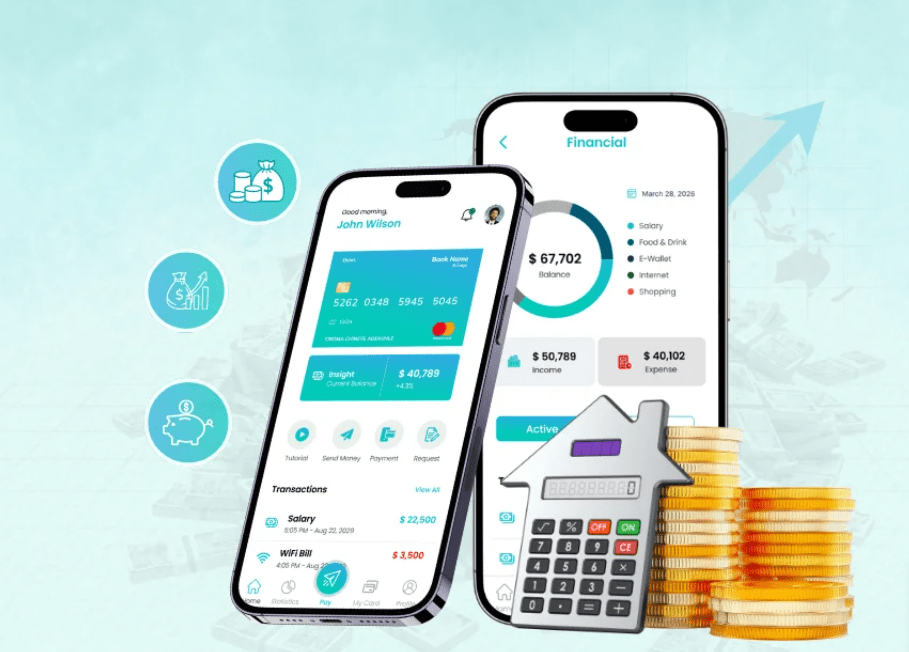
A good learning app solves this quietly. Short lessons, real examples, nothing that requires you to block out a Saturday afternoon. Apps have made this kind of practical financial education something that fits into a regular day without much effort.
1. Finding Out Where the Money Actually Goes
Here is something that catches most people off guard the first time they properly track their spending. The big expenses are never the problem. Rent, utilities, groceries. Those are known quantities.
The surprise is always the small stuff. Coffee three times a week. A subscription that auto-renews every month that you forgot you signed up for. Ordering food on a tired Tuesday instead of cooking. None of these feels significant in the moment, and together they quietly account for a chunk of money that has nowhere to show for it.
Learning apps like Zuvo teach you to look at this honestly without making it feel like punishment. Once you actually see the pattern, decisions become easier because you are working with real information instead of a rough feeling.
2. Making a Budget That Does Not Fall Apart After Week One
Budgets fail for one main reason. They are built around what someone thinks they should spend rather than what they actually spend. The gap between those two things is where every budget eventually breaks down.
A good mobile learning app teaches budgeting as a reflection of real behaviour rather than an ideal one. You start with what is actually happening and adjust from there. Zuvo approaches financial education this way, giving users practical frameworks that account for real life rather than a perfect version of it.
A budget that bends a little when life gets unpredictable is far more useful than a strict one that gets abandoned after the first unexpected expense.
3. Building an Emergency Fund Without Freezing Up
Three to six months of expenses saved. That is the standard advice, and for most people, it lands as an impossible number that makes them stop before they start.
The more useful lesson is simpler than that. Start with one month. Then work toward two. The mechanics of how you save matter more than the amount at the beginning. Moving a fixed sum into a separate account on the day you get paid, before you touch anything else, is the habit that actually works.
Download Zuvo to see why this order of operations matters. Pay yourself first sounds like a cliché until you actually do it for three months.
4. Understanding What Debt Is Really Costing You
A lot of people carry credit card debt without fully understanding how interest works against them. Minimum payments feel manageable in the short term, and that is exactly why they are dangerous. You are mostly paying interest rather than reducing what you actually owe.
Seeing real numbers helps more than general warnings do. A learning app can show you what a specific balance costs over a year of minimum payments versus what it costs if you pay it off aggressively. That comparison tends to change behaviour in a way that advice alone rarely does.
5. Giving Your Savings an Actual Purpose
Saving money in the abstract is hard to sustain because there is nothing pulling you toward it. Saving for something specific is a completely different experience.
A mobile learning app can help you attach real numbers and timelines to what you are working toward. A trip. Paying off a specific debt by a certain month. An amount that covers three months of rent. Making the goal concrete gives the habit somewhere to go and makes it easier to keep going when the motivation dips.
Conclusion
Getting better with money rarely requires dramatic changes. It usually requires understanding a few things clearly and then building small habits around them consistently.
A learning app makes that accessible in a way that a finance book or a long course often does not. The lessons are short, the examples are practical, and you can apply something the same day you learned it.
That is the part that actually matters.