

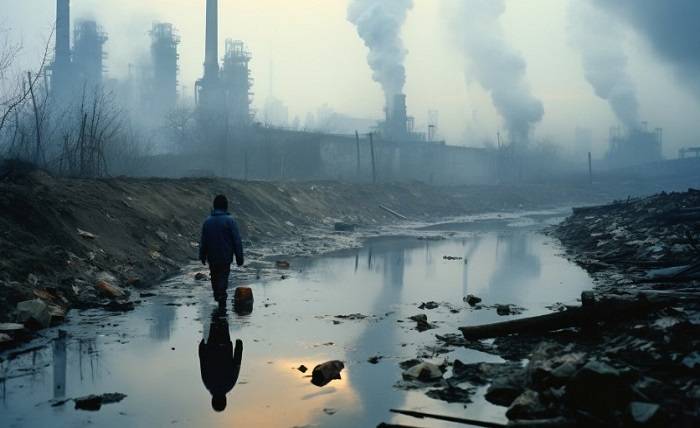
The invisible, odourless quality of air has long fostered a perception of safety. However, recent studies and health reports have thrust air quality and its human cost into the public eye. The United Kingdom, home to some of history’s most renowned environmental movements, is grappling with an urgent crisis. It is neither philosophical nor fictional, but visceral and lethal. Each inhalation of city air, thickened by exhaust fumes, can be deadly – and the consequence paints a harrowing picture.
The Numbers Don’t Lie
The World Health Organization estimates that air pollution has led to 4.2 million premature deaths globally. In the UK, the figure is an alarming 40,000 deaths per year. This statistic from the Royal College of Physicians and the Royal College of Paediatrics and Child Health is staggering, indicative of an air quality emergency that demands immediate action.
Cars, particularly older diesel models, heavy industry, and even domestic fuel burners contribute to the ‘lethal’ legacy hanging over the UK’s urban areas. To truly comprehend the severity of air pollution’s impact, it’s essential to break down the pollutants that comprise the pollution:
- Particulate Matter (PM): These are tiny particles suspended in the air, which can range from fine dust to little droplets. PM affects more than just our lungs; it has been linked to heart disease, seizures, and other mobile disturbances.
- Nitrogen Dioxide (NO2): A gaseous air pollutant originating from high temperatures, such as those in vehicle engines and power stations. NO2 inflames the lining of the lungs and reduces immunity to lung infections.
- Ground-level Ozone: Formed by chemical reactions between the sun and pollutants like NO2, ground-level ozone is a prime component of smog and can cause issues akin to NO2 but also impact plant and animal life.
- Sulphur Oxides (SOx): These come from burning fossil fuels and can cause respiratory infections, bronchitis, and more severe lung diseases such as emphysema.
- Lead and VOCs: Volatile organic compounds (VOCs) evaporate from automobiles, or factories, and are associated with adverse effects ranging from respiratory irritation to global warming.
The Culprits of Pollution
Emissions from diesel engines are, in many ways, the proverbial smoking gun in the narrative of air pollution. Marketed as the efficient and environmental alternative to petrol, diesel fuel has enjoyed decades of global surges in adoption. Yet, these gains were not without costs – costs the UK population is paying in ill health and lost lives.
It’s no longer acceptable or tenable to ignore the cold, hard data that implicates diesel fumes in respiratory and cardiovascular diseases. The infamous Volkswagen emissions scandal laid bare the industry’s willingness to flout regulations and public health. Furthermore, as Britain sought to reduce greenhouse gas emissions, the unintended consequence was deteriorating air quality and a public health crisis. Vauxhall emissions were under the spotlight in 2021 as the manufacturer was accused of allegedly using defeat devices. Peugeot also faced similar accusations in the same year.
The diesel deception tale is two-fold. On one page, automakers prioritised profit over people, manipulating emission tests while their machinery turned air toxic. On the other, a governmental push for fuel with lower CO2 emissions inadvertently shifted the death toll from one pillar of environmental health to another. It’s an environmental incentive gone awry, begging for redress and rehabilitation.
What Now?
In facing this crisis, the UK is at a crossroads with a range of potential solutions, from the individual to the national level. Personal choices, though seemingly modest, can collectively wield significant impact. Opting for cleaner transport options, reducing energy consumption, filing a diesel claim, and supporting businesses that prioritise sustainability can tip the scales toward improved air quality.
At the policy level, strict emission controls, investment in public transport, and greener energy can pave the way forward. It requires a multi-pronged approach – one that not only restrains the polluters but also propels society towards a healthier, more sustainable future.
In the quest to assuage the lethal toll of pollution, UK policymakers hold a key. Stringent policies can mitigate airborne health risks and demonstrate a commitment to prioritising public welfare. This is an existential moment that demands bold leadership and an unwavering public-private partnership.
The Road to Redemption
The road to cleaner air is fraught with challenges, but it is not insurmountable. It’s a path that requires both systemic overhaul and individual accountability. The promise of this pursuit is the quantifiable improvement in public health: fewer hospital admissions, extended lifespans, and an overall better quality of life.
Shifting to a clean-air future is synonymous with commitment to the life and longevity of Britain’s urban residents. In this crusade for clean air, we find ourselves not just battling particles and pollutants, but defending life itself. Let the 40,000 not be a stagnant statistic, but rather the catalyst for change – ensuring that the air we breathe is free from pollutants and the spectre of death.