

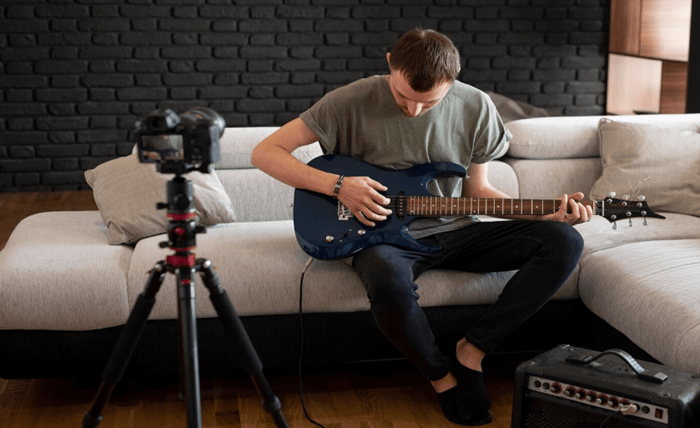
In the realm of filmmaking, music plays a vital role in creating emotional connections with the audience and setting the tone for a story. Atmospheric guitar and bass sounds have become increasingly popular in Hollywood movies, offering a unique sonic landscape that can evoke a wide range of emotions and enhance the visual storytelling experience. This article delves into the power of atmospheric guitar and bass sounds and explores how they can be used to create a captivating and immersive cinematic experience.
The Role of Music in Film
Before discussing atmospheric guitar and bass sounds, it is essential to understand the role of music in film. Music has the ability to heighten emotions, build tension, convey moods, and establish a sense of time and place. It serves as a powerful tool for filmmakers to guide the audience’s emotional journey and enhance the impact of the visual narrative.
Atmospheric Guitar Sounds
Atmospheric guitar sounds are characterized by their ethereal and ambient qualities. They often involve the use of effects pedals, such as reverb, delay, and modulation, to create a sense of space and texture. These sounds can range from dreamy, introspective melodies to haunting and suspenseful tones, depending on the desired mood of the scene.
Howard Mathews, an expert guitarist and music aficionado, while commenting on the beauty of atmospheric guitars, explained, “…The beauty of atmospheric guitar sounds lies in their ability to evoke emotions and create a sonic backdrop that complements the visual storytelling; they can be used to enhance moments of introspection, romance, mystery, or even tension and suspense. By manipulating the guitar’s timbre, dynamics, and effects, filmmakers can craft a unique sonic atmosphere that resonates with the audience and further immerses them in the cinematic experience.”
Bass Sounds and Rhythmic Foundations
Bass sounds play a crucial role in providing a solid rhythmic foundation for a film’s musical score. While atmospheric guitar sounds may take center stage in creating ambiance, the bass adds depth, warmth, and a sense of groove to the overall sound.
Basslines can be melodic, driving, or even minimalistic, depending on the desired effect. They can create tension, add energy to action sequences, or provide a subtle undercurrent of emotion. In combination with atmospheric guitar sounds, a well-crafted bassline can elevate a film’s sonic landscape and enhance its emotional impact.
Examples from Hollywood Films
Numerous Hollywood films have effectively utilized atmospheric guitar and bass sounds to set the tone and enhance the storytelling. Let’s explore some notable examples:
- “Blade Runner” (1982): The iconic atmospheric score by Vangelis, featuring haunting guitar and synthesizer sounds, perfectly captures the futuristic neo-noir atmosphere of the film.
- “There Will Be Blood” (2007): Composed by Jonny Greenwood, the score combines dissonant guitar textures with unconventional orchestration, creating an eerie and unsettling sonic backdrop.
- “Drive” (2011): The film’s soundtrack by Cliff Martinez features atmospheric guitar and bass sounds that contribute to the neo-noir aesthetic, amplifying the tension and intensity of the narrative.
- “Interstellar” (2014): Hans Zimmer’s score blends atmospheric guitar and bass sounds with orchestral elements, creating a grand and otherworldly sonic landscape that mirrors the film’s epic scope.
Collaboration and the Filmmaking Process
The creation of atmospheric guitar and bass sounds for Hollywood movies often involves collaboration between filmmakers, composers, and musicians. It requires a deep understanding of the narrative, characters, and desired emotional impact. Effective communication and experimentation with different sounds and textures are essential to achieve the desired sonic palette.
Filmmakers and composers collaborate closely to create atmospheric guitar and bass sounds for movies, as these sounds play a significant role in enhancing the storytelling and setting the tone of a film. The collaboration process typically involves the following steps:
- Initial Discussions: Filmmakers and composers start by having initial discussions about the film’s overall vision, narrative, and desired emotional impact. They explore the themes, characters, and specific scenes where atmospheric guitar and bass sounds could be effective.
- Spotting Session: A spotting session is conducted, where the filmmaker and composer watch the film together and identify the specific moments where atmospheric guitar and bass sounds should be incorporated. They discuss the mood, tone, and emotions that need to be conveyed in each scene.
- Musical Direction: The filmmaker provides the composer with a musical direction, sharing references, inspirations, and examples of the desired atmospheric guitar and bass sounds. This helps the composer understand the stylistic preferences and expectations.
- Collaboration and Experimentation: The composer begins experimenting with different guitar and bass sounds, either by recording live instruments or using virtual instruments and effects. They create various musical motifs, textures, and sonic palettes that align with the film’s requirements. The composer may also collaborate with guitarists or bassists to achieve specific sounds or performances.
- Feedback and Revisions: The composer shares their initial ideas with the filmmaker, who provides feedback and suggestions. This back-and-forth process allows for refinement and adjustments to ensure the atmospheric guitar and bass sounds align with the film’s vision. The composer may revise the compositions, make changes to the instrumentation or effects, or explore alternative approaches based on the feedback received.
- Integration with the Film: Once the compositions are finalized, the composer works closely with the filmmaker and the film’s sound team to integrate the atmospheric guitar and bass sounds into the film’s soundtrack. This involves precise timing and synchronization of the music with the visuals to create a seamless and immersive experience.
- Final Mixing and Mastering: The composer, in collaboration with the sound team, ensures that the atmospheric guitar and bass sounds are balanced appropriately with other elements of the film’s soundtrack. This includes adjusting the levels, spatial placement, and overall sonic quality to achieve the desired impact.
Throughout the collaboration process, effective communication, a shared understanding of the film’s vision, and an open-minded approach to experimentation are crucial. Filmmakers and composers work together to strike the right balance between the atmospheric guitar and bass sounds and other musical elements, as well as the dialogue, sound effects, and overall sonic design of the film. The goal is to create a cohesive and immersive audiovisual experience that enhances the storytelling and captivates the audience.
Conclusion
Atmospheric guitar and bass sounds have become indispensable tools in the hands of filmmakers and composers, enabling them to create immersive and emotionally charged cinematic experiences. Whether used to evoke a sense of wonder, enhance moments of tension, or establish a particular mood, these sounds have the power to captivate audiences and set the tone for a Hollywood movie. By harnessing the expressive potential of atmospheric guitar and bass sounds, filmmakers can elevate their storytelling, engage viewers on a deeper level, and leave a lasting impression.