

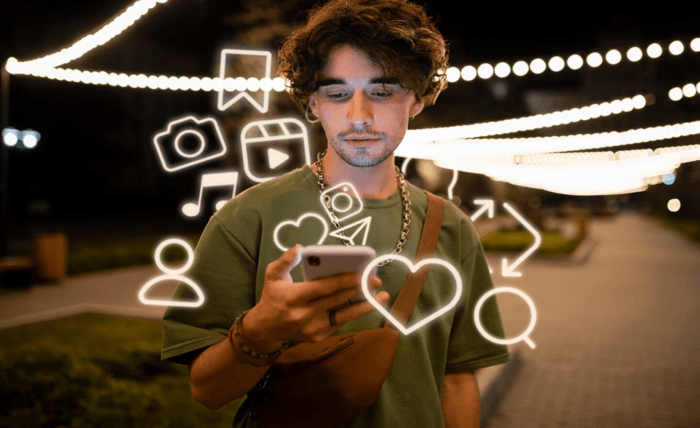
The “influencer economy” is now a real part of the marketing world. Creators, streamers, reviewers, and social media personalities shape how people discover products every day. Behind this growing business, there is a full system of tools, analytics, and platforms that keeps everything running.
Brands use influencers because the connection feels natural. People trust creators they follow, and this trust turns into strong engagement. At the same time, influencers rely on brands to turn their online presence into income.
This creates a steady loop where both sides need each other. The technology behind it makes the system stable, measurable, and scalable.
Market Outlook and Size
Influencer marketing industry has grown fast in the last few years. By 2024, estimates placed the global market value around $25 billion to $29 billion, and it is still rising. More brands are allocating more budget from traditional advertising into creator partnerships.
Growth is about how your audience consumes your content. People spend more time on social media, video platforms, and livestreams. That means brands are reaching consumers where they are already active. For influencers this creates opportunity. For companies it opens a direct line to engaged viewers.
The Equation: Influencers and Brands
Influencer partnerships work only when both sides gain something. Influencers bring attention, trust, and content. Brands bring the payment, reach, and long-term opportunity. When this balance holds, the relationship becomes sustainable.
The Influencer Side
Creators invest time, equipment, ideas, and consistency. They handle filming, editing, and posting. Many also manage a small team or pay for tools that help with design, scheduling, and analytics. Their goal is simply to grow their audience and earn a stable income without losing their own style.
The Brand Side
Companies expect results. They want reach, engagement, and in many cases, direct sales. They look for loyalty rather than a one-time spike. But they also face risks such as fake followers, low-quality engagement, or mismatched audiences. They must choose creators carefully and measure everything.
In the end, both sides need a win.
The Technology Layer: Measurement and Analytics
Technology is the main reason for influencing marketing became a real, trackable industry. In the past, brands had to trust surface numbers. Today, almost everything can be measured.
There are also platforms built to match brands with influencers. These tools scan millions of profiles and filter them by niche, engagement rate, content style, and audience quality. Some systems even flag suspicious behavior, like fake followers or bought engagement.
How Tracking Works: Tech and Methodology
Tracking is the core of influencer marketing. Without it, brands cannot measure what they pay for, and influencers cannot prove the value they create. On the surface it looks simple, but the system behind it works through several layers of data, traffic routing, and reporting tools.
Every click, view, or action starts with how a platform routes traffic. When a viewer taps a link shared by an influencer, the system records the source through parameters added to the URL. These parameters capture the influencer’s ID, the campaign name, and the platform where the link was posted. This information follows the user all the way to the brand’s website.
After the traffic arrives, internal dashboards and analytics panels take over. Businesses track web hits, page visits, bounce rates, time spent on the site, and what users do next. If someone signs up or buys something, the dashboard links that action back to the original creator. This is how brands measure conversions and calculate the real return on the campaign.
Tracking pixels add another layer. A pixel sits quietly on a webpage and records user behavior. It does not store personal data but shows which content brought the user in, and whether the same user returned later. This helps brands understand long-term impact, not just the first click.
Partner portals act like the creator’s own control panel. Influencers can see their clicks, conversions, and revenue in real time. They can compare which posts perform better and adjust their content based on real results. These portals connect the influencer side and the brand side, so both parties see the same data without confusion.
At the deeper level, fraud-detection systems analyze engagement patterns. They look for unusual spikes, bot activity, or traffic sources that do not behave like real users. This protects campaigns and keeps the ecosystem clean.
All these tools work together behind the scenes. They turn creative content into measurable results and make influencer marketing a reliable, data-driven business rather than a guessing game.
Tracking Methods
Most campaigns start with basic tools. Unique links help brands see where the traffic comes from. Promo codes show how many sales a specific creator drove. Many companies also use tracking pixels on their websites. These pixels connect a user’s action back to an influencer’s content.
Partner portals also play a key role. These portals give influencers a dashboard where they can see clicks, conversions, earnings, and campaign performance in real time. They help creators track their own results without waiting for manual reports from brands.
What the Data Shows
The data goes deeper than likes or views. Brands look at the cost per impression, cost per engagement, and cost per action. They follow the quality of the audience, not just the size. They check how many new customers came from the creator and whether those customers stay active.
Preventing Fraud
Fake engagement is still a risk. Because of this, most platforms now include fraud detection tools. They scan for bot activity, sudden spikes in followers, or patterns that do not match normal user behavior. This protects both the brand and honest influencers.
This tracking system is what keeps the industry running. It turns creative content into measurable performance. It helps brands spend smarter. It helps influencers build a real business based on transparent results.
Most Active Industries in Influencer Marketing
Influencer marketing works better in some industries than others. The impact depends on how people discover products, how visual the product is, and how often consumers look for recommendations online. Over time, a few sectors have become clear leaders in using creators as a major part of their strategy.
FMCG
Fast-moving consumer goods rely on influencers because their products are simple, familiar, and easy to show. Food, drinks, skincare, haircare, and personal-care brands run constant campaigns to stay visible.
Short videos, taste tests, before-and-after clips, and quick product reviews create strong engagement. Micro-influencers perform especially well in this space because audiences trust their daily routines.
Finance and Trading
The finance sector has become one of the most active areas for influencer partnerships. Brokers, fintech apps, trading platforms, and crypto exchanges all work with creators, but the structure is different from other industries. Finance is not only about visibility. It is also about lead quality, client lifetime value, and long-term trust.
Partnerships in this sector usually appear in two main forms:
Introducing Broker (IB) and affiliate partners. Both bring clients to a broker, but their approach and responsibilities are not the same.
IBs focus on deeper relationships. They bring traders from their own network, provide guidance, and stay involved throughout the client’s journey. Many IBs are experienced traders, educators, or community managers. They earn ongoing rebates based on trading activity, which makes the partnership long-term.
Affiliate partners work on a wider scale. Their job is to drive traffic through content, reviews, social posts, or influencer-style videos. Affiliates earn performance-based commissions from sign-ups, conversions, or first-time deposits. Their model is more digital and more conversion oriented.
Influencers in financial industry often support one of these two structures. Some act like affiliates by producing educational content, market commentary, or platform reviews. Others operate like IBs, building close communities of traders who trust their judgment. Both roles help brokers reach new audiences and expand to new regions.
Fashion and Lifestyle
Fashion remains one of the oldest influencer-driven categories. People follow creators for style ideas, outfit inspiration, and product discovery. Visual content performs well here, and creators can show multiple items in a single video or photo set. Seasonal trends also keep the content fresh throughout the year.
Gaming and Tech
The gaming world grew rapidly with streamers and content creators. Tech brands use influencers to show product features, performance tests, and real gameplay.
The trust level is high because viewers feel close to the creators they watch daily. Hardware makers, software apps, and game studios all benefit from this format.
Travel and Hospitality
Hotels, airlines, and tourism boards often work with influencers to show destinations through real experiences. Visual content and storytelling matter the most. A single trip can create dozens of photos and videos, which give brands long-lasting exposure.
These industries lead the way, but the influencer model continues to expand. As long as consumers rely on online recommendations, new sectors will join and grow.
What to Consider
Both brands and influencers need to think carefully before starting a partnership. Influencer marketing can be powerful, but it only works when the foundation is right.
The first thing to consider is audience quality. A creator may have a large following, but the followers must match the brand’s target. Engagement, viewer habits, and content style matter more than the number of followers.
Budget and expectations must also align. Brands should know what they want from the campaign: reach, conversions, brand lift, or long-term positioning. Influencers should understand what the brand expects and what success looks like.
Another point is platform choice. TikTok works for fast, short content. Instagram is strong for visuals and lifestyle storytelling. YouTube is more suitable for in-depth reviews and tutorials.
Both sides should also check past collaborations, posting style, and the creator’s public image. A mismatch in tone or values can damage credibility.
For brands in regulated sectors like finance, there is one more layer: compliance. Creators must follow the rules, avoid exaggerated claims, and stay transparent with their audience.
Conclusion
Influencer marketing has grown into a structured, data-driven business. Creators bring trust and storytelling. Technology handles tracking, analytics, and performance side.
When both parties work together, brands get measurable results and influencers build sustainable income. The system is still evolving, but it’s clear that influencer partnerships will remain a key part of modern marketing.